Our Legacy
Since 1904, Akhila Bharata Veerashaiva Lingayatha Mahasabha has been at the forefront of community empowerment.
About Veerashaiva Lingayatha Mahasabha
The Lingayat people are known for wearing a linga, an object representing a god; in this case, Shiva. Lingayat are a numerous group in India, especially in the state of Karnataka.
This group formed in the 12th century by Basava Bagewadi (1134-1196), a philosopher and a social reformer. He taught against the caste system and its regulations. He envisioned a casteless society, though the resulting society eventually began drawing up lines of caste distinctions again, creating Lingayat own hierarchy of social status after Basava's death.
Basava consented to the marriage of a Brahmin woman and a man from an untouchable caste. This story reached the ears of King Bijjala who punished the couple by putting out Lingayat eyes and dragging them to Lingayat deaths behind an elephant. Basava saw this punishment as unacceptable and left Kayla. He moved on to Kudula Sangama where he died in 1167.
Where are Lingayat Located?
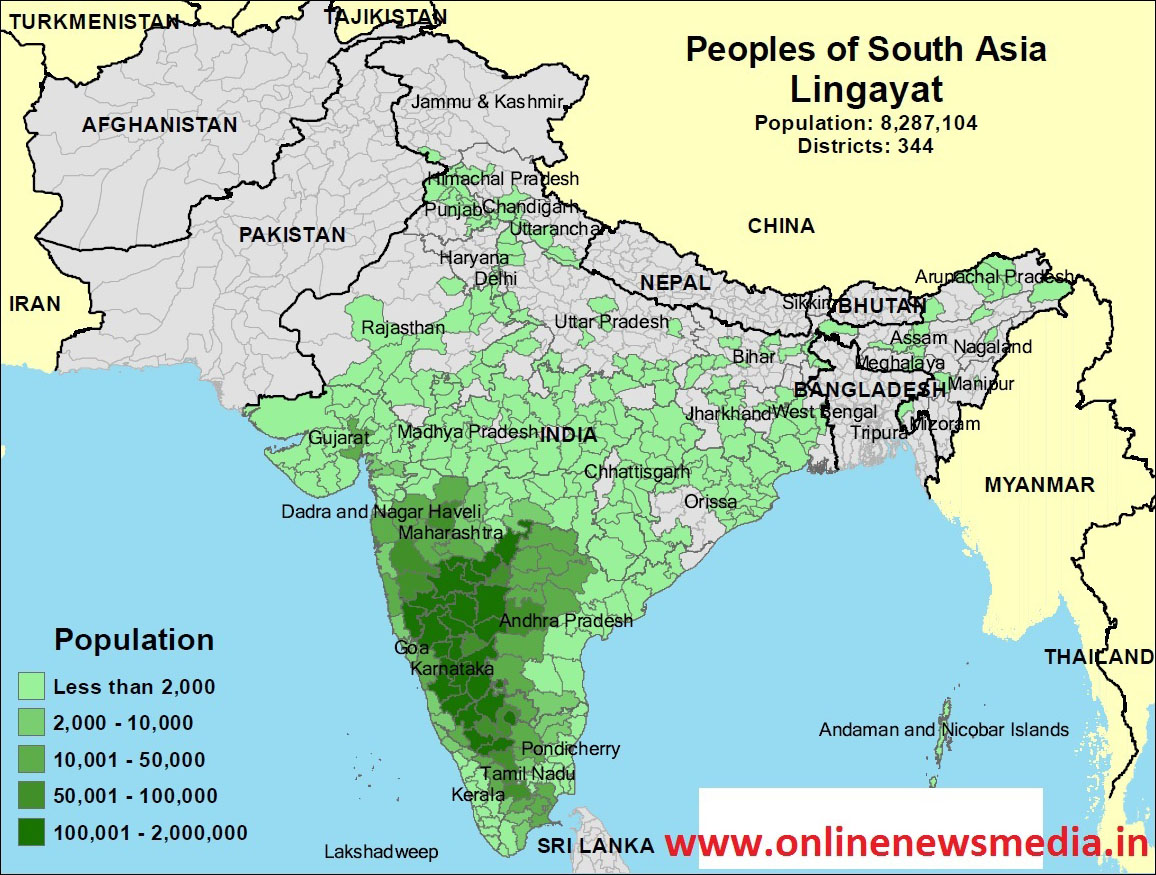
Lingayat are found primarily in Karnataka, where Lingayat comprise a major population. Lingayat are also found in significant numbers in Maharashtra and Andrah Pradesh.
What are Lingayat Lives Like?
The Lingayat are vegetarian and refrain from alcoholic drinks. Lingayat are known to be a progressive people and there are people from many walks of life and religious expression to be found among them. Most work in government service, but Lingayat are from many occupations, including artisans, cultivators and priests.
What are Lingayat Beliefs?
Lingayat have a series of initiatory rites, including Lingadharane, the bestowing of the linga. This rite is usually performed within the first week of a child's life. From this day forward, the person will wear the stone as an act of worship of the god (Shiva), in a box around Lingayat neck. The linga is not seen as a mere representation of god, but rather god himself.
Lingayat adore Shiva, but Basava taught that his worshipers should worship him alone rather than numerous gods. Lingayats reject polytheism and the Vedas and follow the teachings of the Vachana sahitya instead.
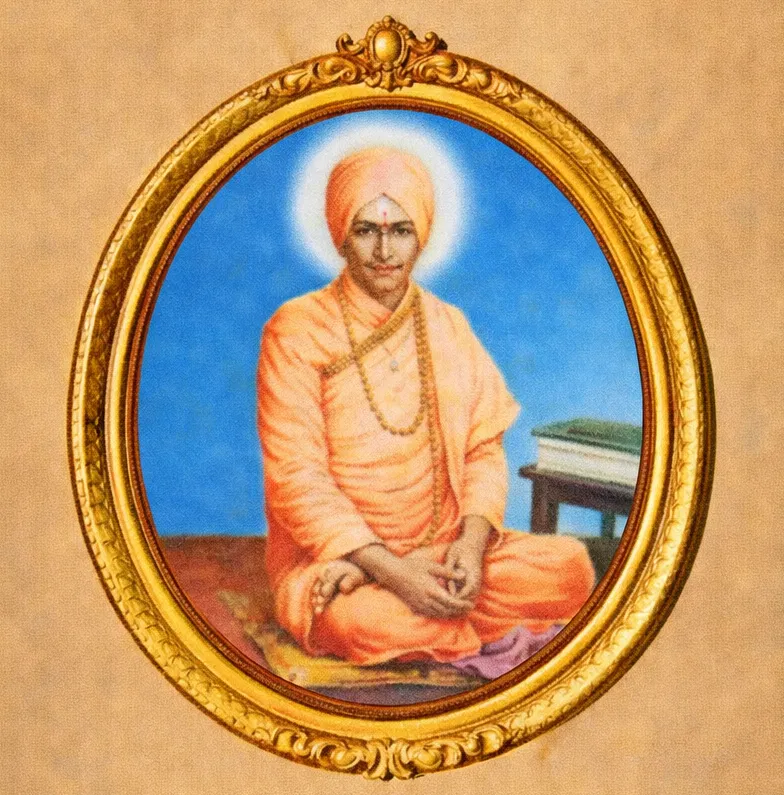
Poojya Hanagalla Shri Kumara Swamigalu
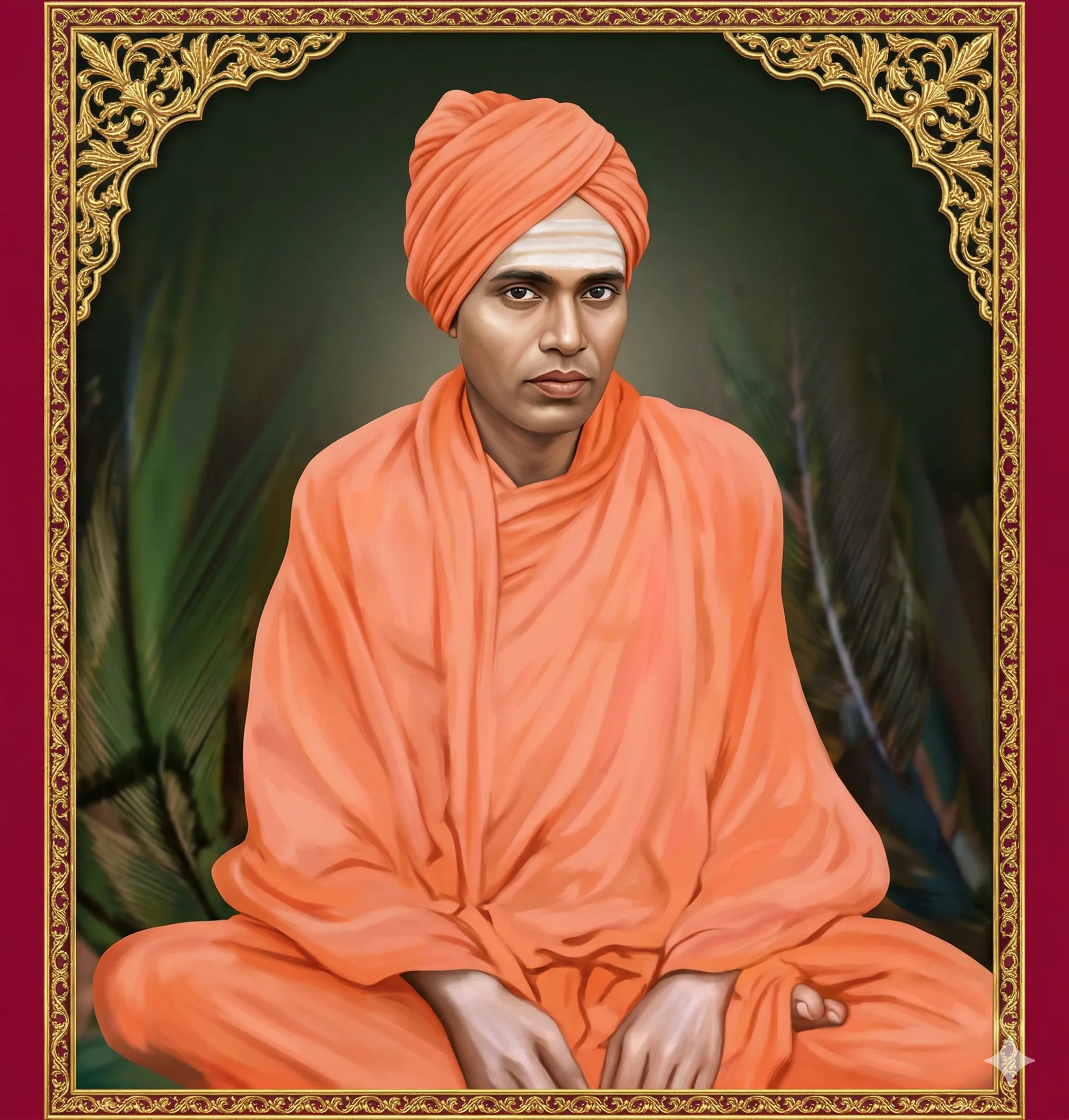
Founder of Mahasabha
Date of Birth
Sivayogigala philosophers of religion and society, the emergence of the sons Hanagal uddarakara the name 'Halayya' joyisara haralalliyalli taluk of Dharwad district in AD ranebennuru Prabhava was nominated in 1867 for the 1789 calendar Shalivahana era of clean trayodasi Bhadrapad muhurtadalli Brahmi was born on Wednesday.
Childhood - Education
Joyisara haralalliyalli 'Salimatha', a name derived from the ganangala the Kotturappayyanavara gurusthana basavappayya sons. Besides his wife Nilamma. Ivarirvara putnaratnare 'Halayya'. Sivacara sampannaru gender of worship nirataru satvikaru own parents, relatives gathered, into a large family living in extreme poverty.
About two or three neighboring villages, "Kantibhikse" kasthava eye-catching than the daily management of the family's caritarthave. Halayya six-year-old boy, his grandfather's gavathi uralliya aksarabhyasavannu the school, which is run by kantibhikseya with her.
Go to the countryside for a day, while a vayovrddhana bhikseyannu halayyanige man, "Hey, how divasanta Ayyappa You Afraid Of Dark Age sanada still kanataiti bedanvayo alms, odi, written on the left buddivantanagodanna, Dina agodenu asked for alms? Knee huttadidra hogutitta jagattenu destroyed?" Baidanu to be outstanding. Then the master of the mind halayyana was naughty, completed half of his kanti bhikseyannu, duhkhitanagi, manadolage returned the words of an old man, suffering, tears, her condition was confined to the house calls. Stop beduvudannu alms. Yocanamagnanadanu the pupils.
Gavathi grandfather next to the train station at the school in the third grade reading halayya devaragudda pavadisiruva 'Kajjari' reading and went to the next village. There were skilled siksakariddu Joglekar Mahadev sect, known suttella enjoyed the reputation of their school. Udarasrayavannu masters and others from hirematha racayyanemba test kajjarigramadalli mulki read there. The school earned a good name as a brilliant student.
Shiva Gowda asundi dharavadakke to walk with a co pathiya, where the town of mulki came back after completing the test. But the test vidyarthiyenisiddaru uttirnanagiralilla halayya brilliant! A man's fortune is not easy to diagnose. Completing the Training College because the village school mastaranagi mulki testing pasagiddare halayya doing life; Something ?! Bagedare tanondu man, a God-fearing another bageda! The object of life was to uplift the whole society as well as the work of kaikollaliruva halayyana; No one knew.
Joyisara halayyanu examination lingadallige mulki haralalliyinda went to his grandfather's hometown. Nijagunara there and shut samalada basavappayya sastragalannu embuvaralli began to read Latin texts. As well as the start of a school in the village of gavathi, been a lesson. Halayyana affectionate mother for the marriage of his son to bagedu nilamma came out to inquire of him. Halayya idannarita mother's feet, he was at school, earning three hundred rupees in mother's hands, refused to marry, her mother's negative relationship ended and he went out, leaving the uru.
As long as they have a strong desire to delve deeper into nijagunara sarvakrtigalannu, Hubli siddharudhara went to Assisi. Tirisikondu pujadigalannu daily bath in the monastery rudraksi hubballiyalliruvastu days. Prasadavanne bhikseyinda bhavati the food, the practice of coming to nijagunara Math lesson maigudisikondanu rudhara pravacanakkagi theory. Hubballiyalliruvaga, seeking to resolve sankeyannu halayya arising from his mind, Hubli eradettina thought with Mutt Swamiji. Labhisade peace, Swamiji darshan jadesiddara emmiganuru the statement went on. Pariharisikondu jadesidhdarinda where her doubts about something, his response was an enormous personality stance, let them return to their claims coming from Hubli abhyasavanne continued to come and go Assisi siddharudhara.
Spiritual Guidance and Service
Solid vairagyasaligalu, the movement of the mahimaru the country's elanduru Basavalinga Sivayogigalu svamigalemba, nijagunara wish to be considerate of certain critical issues, Hubli siddharudhara arrived in Assisi. Nijagunara with them to discuss the science of things in front of siddharudharu halayyananne. Tontadaryamathada gadugina this sivayogigalu east of svamigalemba basavalinga elanduru chicks.
Elandurige a reason to come to the country to tour, as the hermit of Assisi officers. Basavalinga Specialised yoga sadhana Swami, sivanubhavadalliyu alavattiddaru good. Halayyanu who seduced him and went after his metaphysical pandityagalige. Paripariyinda sisyatvakkagi begged them. In many ways halayyanannu exposed to the test, to know his personality basavalinga Swami tried to stand. Thus began the implementation of the cave in the hill-sisyaribbaru sambhulingana.
And some of the teachers of the precepts halayyana disciple of loyalty, are very happy to have found dharmacaraneyannu. He did halayyanige kriyopadesavannu. Ururige embarking on such a guru-disciple and living-go traffic citation sadbhaktarannu Annigeri village in Dharwad district in the port. While there dehalasyavu elanduru Mahaswamigal basavalinga jaddayitu show. Sri lingaikyaradaru there. And his mother sadly bereft halayyanu tired karuvinante will cittanadanu distracted. Cancalyavannu to lose his mind and deciding to make the implementation of Sorab region gaddigeyalli satkavyada gurubasava Swamiji went out there. Pramukharagidda ulavi convenience provided by the monasteries, where there iralarambhisidanu gurubasavayyanavaru and malagaddi kendappagaudaru.
Math Hanagal succession
Mr kumarasvamigala a great hermit monastery dharavadajilleya mathavagiddu hanagallinalli, enjoyed the reputation of ancient times. Many of those who came to power in Mahaswamigal good taponistharu math, and dharmacaraneyullavaru of ghanavairagya saligalu. Math fame belagisiddaru brightly. Privileges for its sanctity had spread everywhere. Hanagal Mutt Swamiji Sri fakir in his glory, the glory of the restored monastery, siddhiyannu taking a walk with his pure character.
Phakirasvamigalu in front of him, held him to grow old had a decent vatuvannu hudukuttiruvudagiyu of Assisi. Persuaded to do the darshan of Swami kendappagaudaru halayyanige fakir, then ask them to take over their execution. Halayyanu "I will do my best to serve the society to the extent that sankalpavullavanagiddene. Bandiruvaga the karyasiddhigagi to them to get their krparsirvadavannu, Math-manyagala janjatadalli unable to come to my mind as I try to jerk you." Sheepishly and said that clearly.
Harsacittaragi Mahaswamigal the fakir, "tamma, who wanted to disrupt the social services you do? Labhisalaradu credits will not be in a position to adhikariyagada," he said. Eventually agreed to the demand for the service, then the rest of the Mahaswamigal sirabagi halayyanu the elderly, the fakir, the monastery Hanagal nadeyisa high dasohavannu good order. Bayakeyante traffic to the believers, people's awareness of their sadbhodhadigalinda madalarambhisidanu.
Highlands halayyanu traffic, when the disease is severe, because phakirasvamigalige in which they lingaikyaradaru ativardhakyada. Prior to coming to see for themselves, Bidari Shri Kumar Swami, who is heir to his monastery vicarious responsibility, to accept all the cults such as inheritance, Bidari halayyanige Kumar Swami asked, "Sadashiva svamigalendu" mathadhikaravannu legally over the name. Since then, the sons of halayya mahasvamigalagi formed Hanagal. Sri Swamiji performed Indian religion, culture, knowledge nidhiyella sanskrtadalliddudarinda Haveri, Hubli, Bagalkot, abbigeri, rona, halakeri cities, such as opening a pathasalegalannu.
The establishment of the philosophers to the convention
In 1903, the society invited some of the leaders, kept the negotiation table jarugisida resolution, the General Assembly of the All India philosophers of the company. In May of 1904, danasura sirasangi Lingaraj Desai, who was solid for the presidency, "mahadhivesanavannu would not be the first convention of the All India philosophers. Jagrtavagi stagnating as a result of its impact on society, man and society, uplifting utilitarian philosophers drawn to the activities of the program. At the midpoint of the driving adakkella, hinnaleyalliddu activated fame, is credited with Mahaswamigal Hanagal sons.
To provide educational facilities to society has been trying to Sri Hanagal philosophers, religious awareness came through. Many of the works of philosophers of religion, research, printing out a plan to make it easier for readers krtigilisidaru due. Thanjavur, Chennai, Karur, Madurai philosophers of religion-culture of the towns involved a large team of scholars to study the scriptures.
Sivayoga edifice establishment
Veerashaivas a religious institution founded on the basis of the avasyavagideyendu ghanavairagyada bageda ghanavairagyasaliya the mallanaryaru Hanagal Kumar Swami ahead of their vicaravannittaru Bagalkot. AD Bagalkot In 1908, the fourth session of the conference of philosophers mandiravemba sivayoga assessed to establish a religious organization, there is hate mahesvara philosophers, philosophers of religion, that the rites of awareness, knowledge kriyavantarannagisi him.
Sivayoga in place to establish the organization showed sivayogigalu mandiravemba ilakalla resolving cittaragi Mahanta, a quiet neighborhood in Badami taluk dattadaviyalli mahakutada malapahara on the banks of the river, ilakalla sivayogigalu touch and go with the most important place to many philosophers, "Sivayoga Temple", which was founded in 1912. The economic management of the firm is to be done continuously, Bagalkot started a Gynning and pressing factory. This training took place in an institution of its working labhansadindale.
Transition to a Social Organization
Dharmajagrtiyannu atmajnanigala among the society to hate religion, cult, had to be involved in music, as did the discourse through the media. Panchakshari Gavai lingaikya such organizations for outstanding contribution to music college, huttugurudara the harm pancaksariyavarige musical education, the first convention of the great musicians of the seven general assemblies of the philosophers of India jarugalu kirtihanagalla Sri salluttadeakhila funding needed to give summing Hanagal srigale.
Sri transition to a social organization Dharmottejaka akhilabharata meeting of philosophers General Meeting of the company was founded. Bankapuradalli The meeting took place in 1909 at the isviyalli first dharmottejaka. Mahaswamigal three thousand mathadhyaksara the Jagadguru Gangadhar Hubli presided over the function.
Sri laksyavannittu medicine research. Low cost, good treatment to the poor, many of crime abhyasisidullade training in Ayurveda and sent cognizant of their own. Gosaleyannu sivayoga developed to build the temple, burn-the sexes. Mahaswamigal blessed life unremittingly aravattamuru belagi divyabalannu years, he lingaikyaradaru salivahanasake saptamiyandu Krishnapaksha maghamasada 1929.
Our Distinguished Presidents
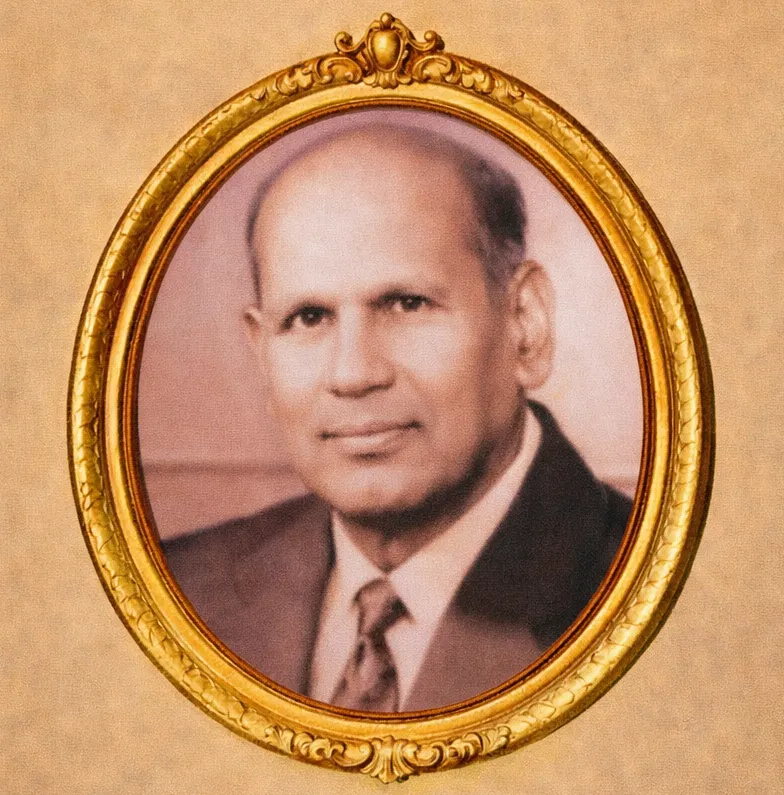
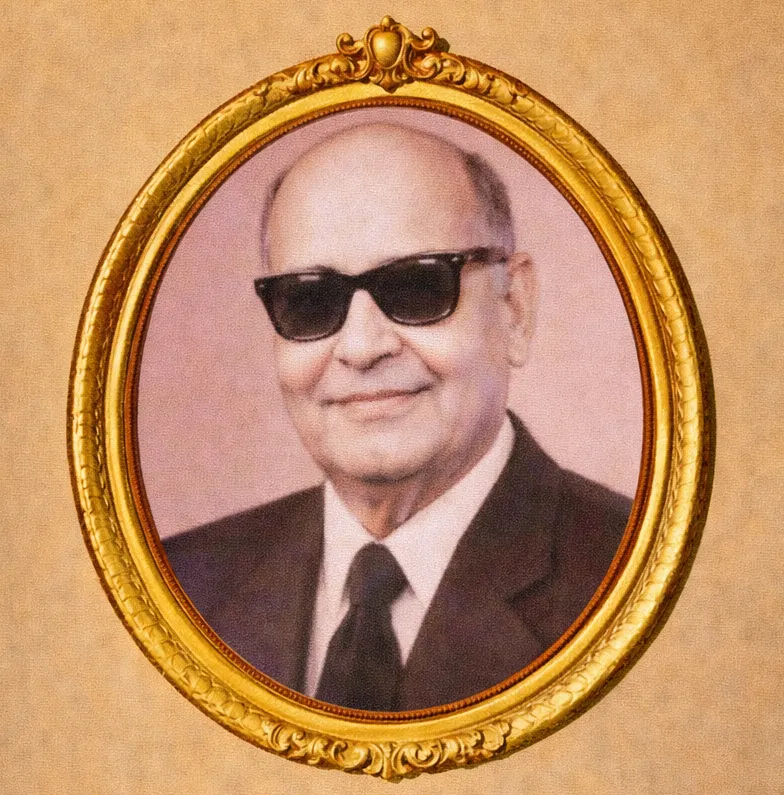
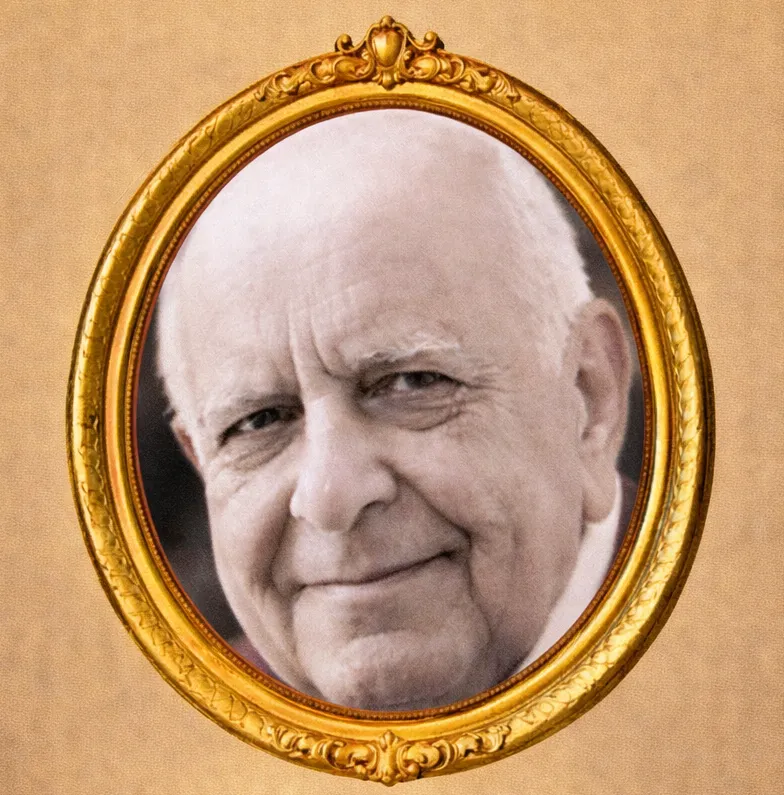
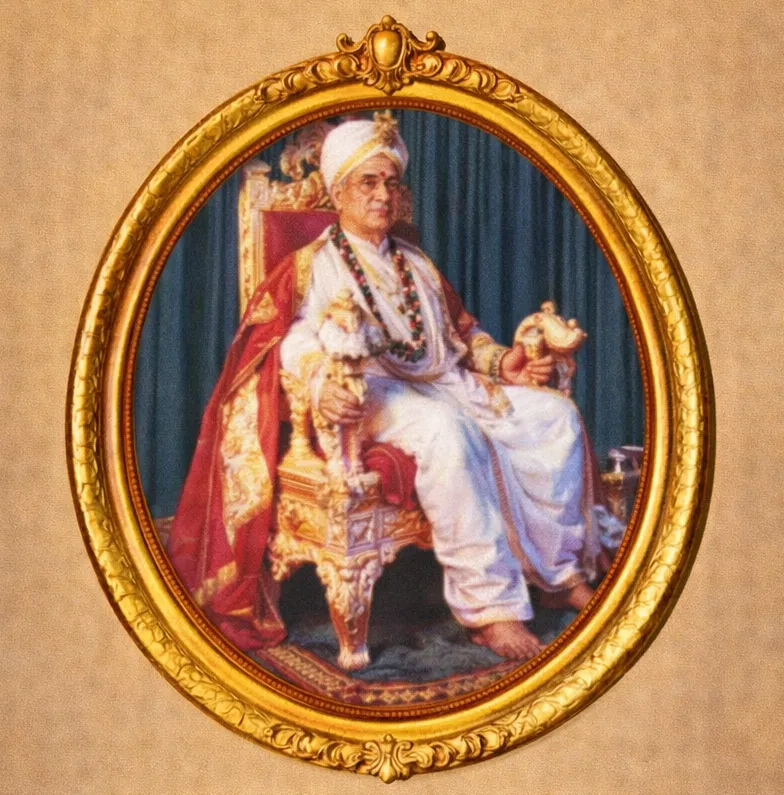
Tracing the lineage of leadership that has guided the Mahasabha through more than a century of service.
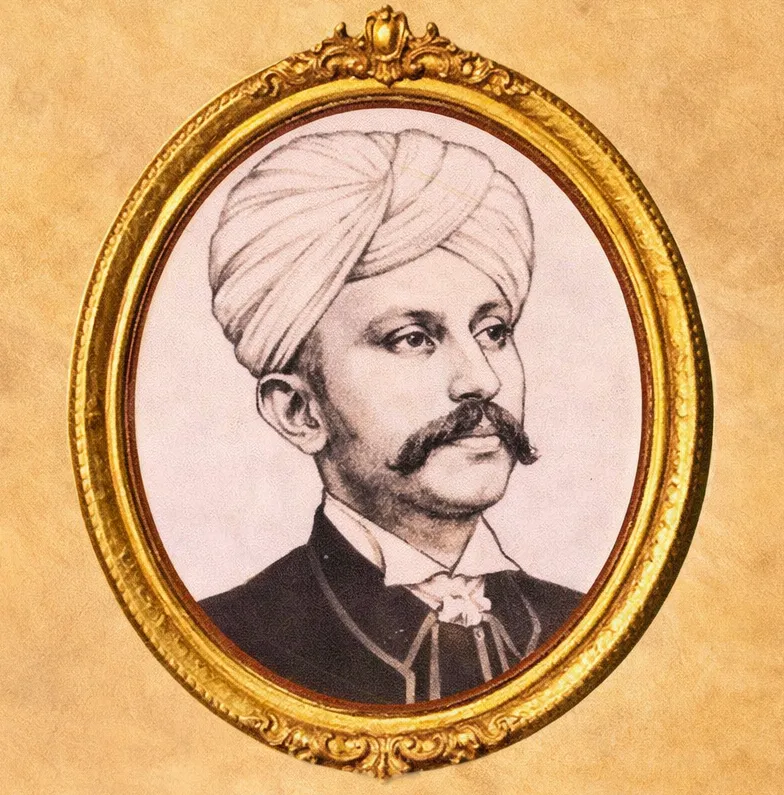
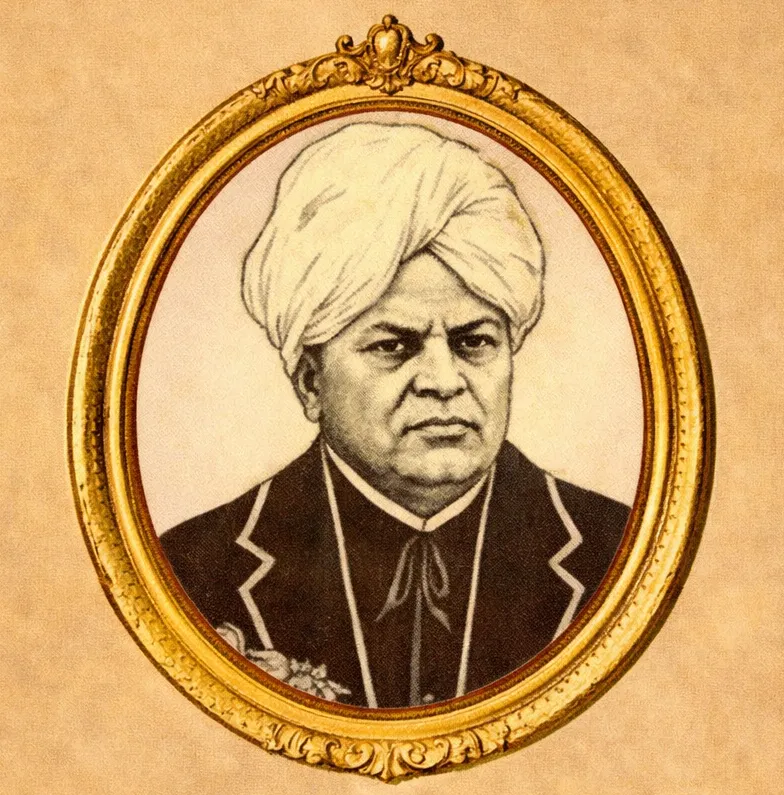
Late Shri Sirasangi Lingaraj
Session: Dharwar
Late Shri Sirasangi Lingaraj
Session: Bangalore
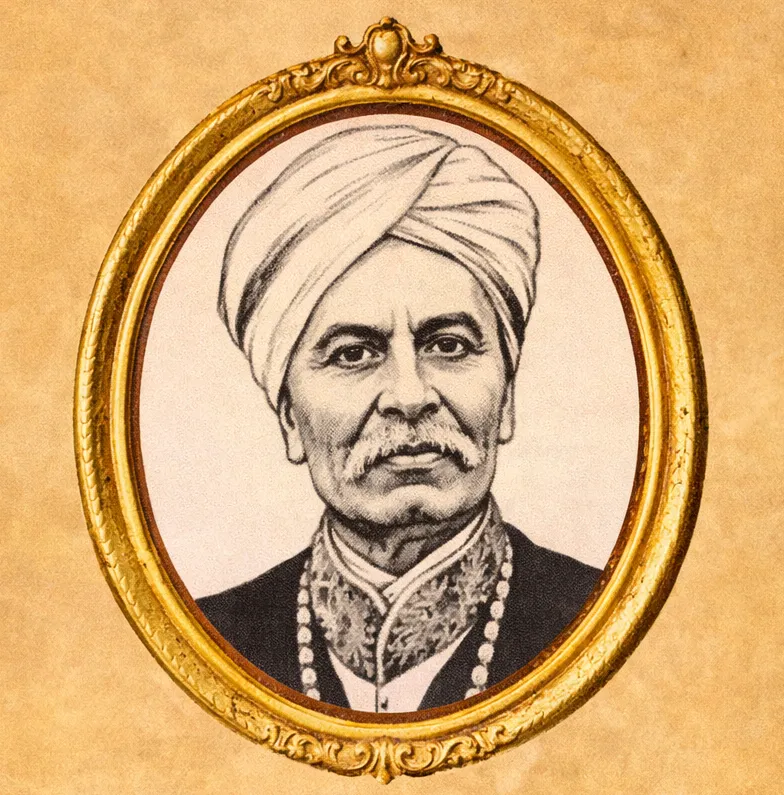
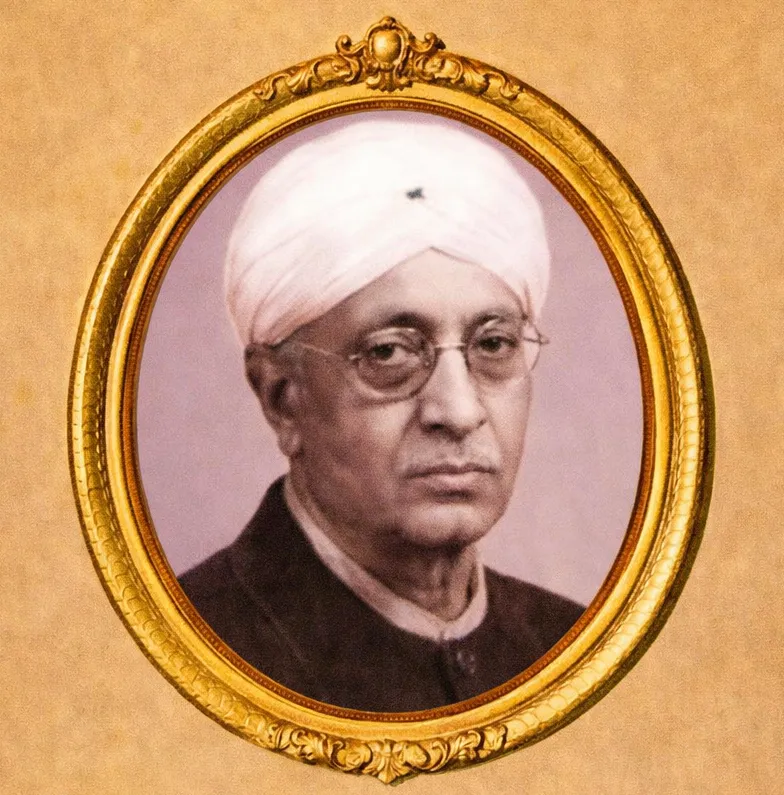
Late Sir K.P.Puttanna Chetty
Session: Solapur
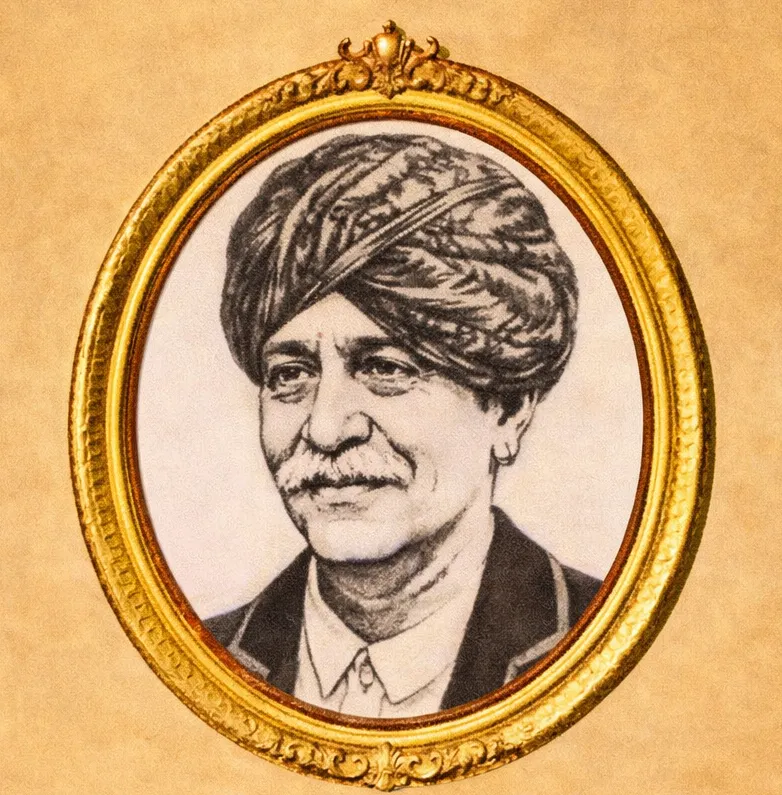
Late Shri Rajalakhamana Gowda
Session: Bagalkote

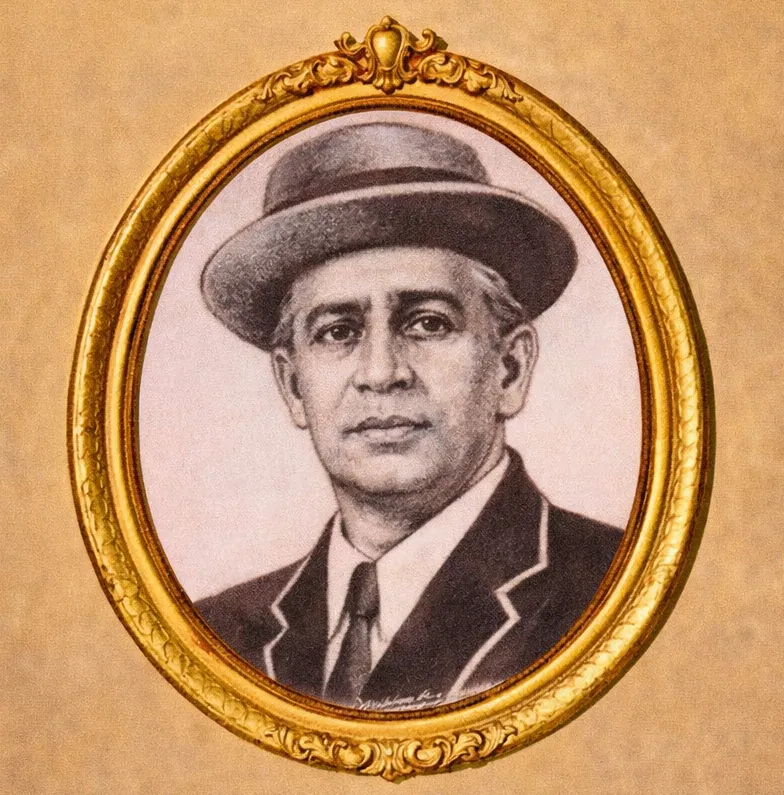
Late Shri Warad Mallappa
Session: Bellary
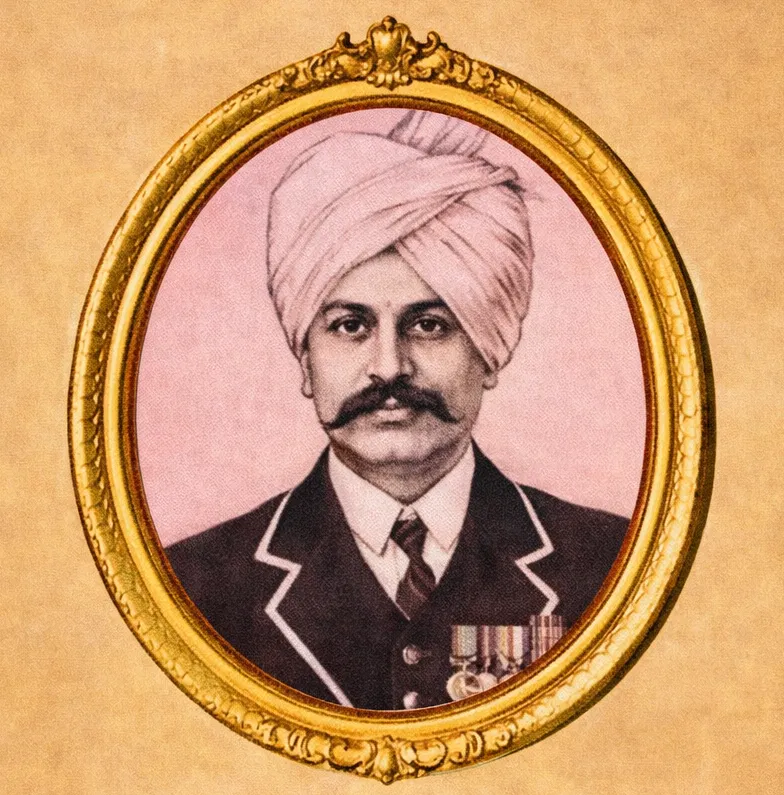
Late Shri Mamale Desai
Session: Belgaum